Notification pause
Mute non-essential alerts for twenty minutes around lunch. Return knowing you chose the quiet; the world keeps spinning.
02Stability desk
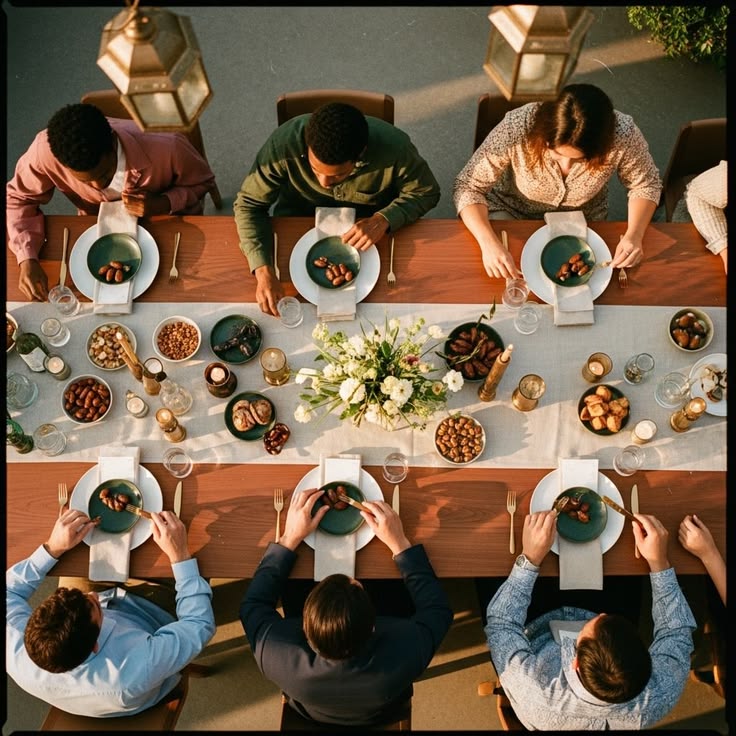
Stability, in our vocabulary, means fewer surprise decisions at 18:45 and more cues you can trust: a table set before the pan hisses, a playlist length that matches chopping time, light that softens before you sit. These are design choices, not personality tests.
If food-related stress feels heavy or persistent, pause and speak with someone qualified to listen. The paragraphs below stay inside everyday organisation and sensory kindness.
Environmental cues
Set utensils the night before if mornings collide. Keep fruit visible and snacks in opaque tins so curiosity, not packaging, leads the way. Colour-code chopping boards if sweet and savoury crossing bothers someone in your home.
When work runs long, keep a ten-minute assembly path: pulses, frozen greens, lemon, toast. Speed is a strategy, not a confession.
Windowsill herbs add scent without another delivery box; rainwater in a measuring jug can remind you to tend plants and hydration together.
Focus tags
Mute non-essential alerts for twenty minutes around lunch. Return knowing you chose the quiet; the world keeps spinning.
Block prep like a meeting with yourself. Colleagues see a hard stop; you see onions browning without guilt.
A laminated sheet on the door lists whose batch is whose and which shelf resets on Sunday. Fewer sticky notes, fewer apologies.
A playlist with a defined ending tells you when to check the oven without staring through glass.
Hang keys, wash hands, drink water before opening the fridge. The sequence buys thirty seconds of transition from commute to kitchen.
If a recipe plays on a tablet, notifications stay off until the knives are clean. Reading ahead beats pausing with flour on your hands.
When friends bring dishes, label allergens on the lid edge. The gesture protects everyone without turning dinner into an interrogation.
Twice a year, rotate spices to the front and donate duplicates. A tidy rack speeds intuitive seasoning.
Brains like predictable beginnings and endings. When a meal has a tiny opening gesture—cloth napkin, cup chosen on purpose—the mouth and mind receive the same signal: this is a bounded break, not another task sneaking in.
Rituals also reduce negotiation inside households. If Wednesday is “soup from the jar shelf,” everyone expects a certain tempo and shops accordingly. The ritual is flexible; the expectation is kind.
Document what works on paper you will actually find. A note in the cloud helps nobody if the phone is charging in another room.
We catalogue real-life patterns in Taastrup and fold the best into future guides—always anonymised, never prescriptive.
Tell the desk